Tag: crafting with intention

  • Hand Sewing vs. Machine Sewing: A Mindful Maker’s Guide

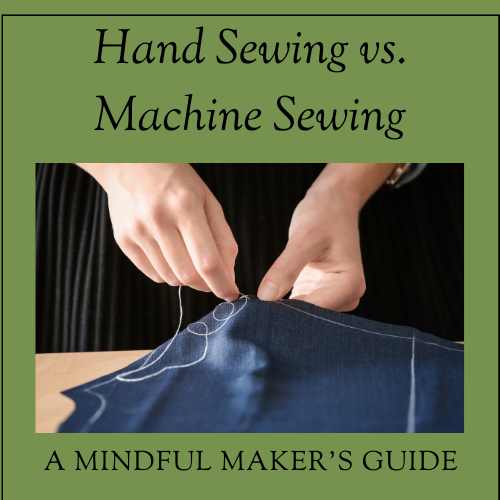
    Hand Sewing vs. Machine Sewing: A Mindful Maker’s Guide

    Sewing is more than just a way to create clothing, quilts, or home décor—it’s a deeply personal craft that connects us to tradition, creativity, and even our own sense of well-being. For those who approach sewing with mindfulness and intention, both hand sewing and machine sewing offer unique rhythms, challenges, and meditative qualities.

    While neither is inherently better than the other, they offer different experiences in terms of pace, focus, and sensory engagement. Whether you’re drawn to the slow, rhythmic pull of a hand-sewn stitch or the steady hum of a sewing machine, understanding these differences can help you choose the right method for the moment and enhance your creative experience.

    Let’s explore how each approach supports mindfulness and crafting with intention, along with tips to make the most of their unique benefits.

    🧶 Want to learn more? Click here to join Craft to Heal.

    Hand Sewing: The Art of Slow, Intentional Stitching

    Hand Sewing: The Art of Slow, Intentional Stitching

    Hand sewing is the ultimate slow stitching practice—a methodical, tactile experience that invites complete presence. Unlike machine sewing, which can move at a rapid pace, hand sewing requires patience, making it a natural fit for those looking to incorporate mindfulness into their craft.

    How Hand Sewing Supports Mindfulness

    🧵 Rhythmic, Repetitive Movement – The process of drawing a needle through fabric, pulling it taut, and repeating creates a meditative, repetitive rhythm. Much like knitting or crocheting, this steady movement helps quiet the mind and center attention.

    🧵 Deep Engagement with Fabric & Thread – When hand sewing, you are fully in control of each stitch. You feel the tension of the thread, the way the fabric gives, and the moment the needle punctures through. This heightened sensory awareness helps anchor you in the present.

    🧵 Slows the Creative Process – Because hand sewing takes time, it naturally encourages patience and presence. Instead of rushing to finish a project, you learn to appreciate the journey of each stitch, making it a powerful tool for relaxation.

    🧵 Connection to Tradition & HeritageHand stitching has been practiced for centuries. Many sewists feel a deep sense of connection to past generations when working by hand, making the process feel meaningful and grounding.

    Tips for Enhancing Mindfulness in Hand Sewing

    Breathe with Your Stitches – Try inhaling as you insert the needle and exhaling as you pull the thread through. This simple practice aligns your breath with your movement, fostering deeper relaxation.

    Choose a Quiet Space – Hand sewing doesn’t require machines or distractions. Use this as an opportunity to sew in silence or with calming background sounds like nature recordings or soft instrumental music.

    Savor the Texture & Sensation – Notice how different fabrics feel between your fingers. Observe how the thread glides, knots, or resists. Let yourself experience the tactile nature of sewing.

    Make Peace with Imperfection – Hand-sewn stitches will never be perfectly uniform—but that’s part of their beauty. Celebrate the character and uniqueness in each stitch rather than striving for machine-like precision.

    Use It for Small, Meaningful Projects – Instead of reserving hand sewing for only repairs, try hand-stitching an entire small project—like a patchwork block, sashiko-style embroidery, or a delicate appliqué. The experience of creating something fully by hand is incredibly rewarding.

    Machine Sewing: The Flow of Efficiency & Focus

    Machine Sewing: The Flow of Efficiency & Focus

    While machine sewing is often associated with speed and productivity, it can also be a mindful practice when approached with intention. The steady hum of a sewing machine, the rhythmic feeding of fabric, and the coordination of hands and foot pedal can create a state of flow, much like playing a musical instrument.

    How Machine Sewing Supports Mindfulness

    🧵 Encourages Full-Body Focus – Machine sewing engages your hands, feet, eyes, and breath all at once. This level of coordination can be an excellent way to practice deep focus and present-moment awareness.

    🧵 Creates a Flow State – When you’re in sync with your machine, time seems to disappear. This state of deep focus, often referred to as “flow”, is incredibly calming and can be a great stress reliever.

    🧵 Harnesses the Power of Repetition – Whether you’re chain piecing quilt blocks or stitching long seams, machine sewing has a rhythmic, repetitive quality that can feel meditative. The steady movement of fabric and the hum of the machine create a sensory experience that encourages relaxation.

    🧵 Encourages Confidence & Trust in the Process – Sewing machines can feel intimidating at first, but once you develop muscle memory, they offer a sense of empowerment. Trusting your hands to guide fabric smoothly builds confidence and patience—important elements of any mindfulness practice.

    Tips for Enhancing Mindfulness in Machine Sewing

    Match Your Breathing to Your Movements – Just like in hand sewing, try breathing in as you guide fabric into the machine and exhaling as the needle moves through. This creates a steady, calming rhythm between breath and motion.

    Eliminate Distractions – While machine sewing may feel more technical, it can still be a mindful practice. Turn off background noise, set your phone aside, and allow yourself to fully focus on the sound of the machine and the movement of the fabric.

    Emphasize the Sensory Experience – Pay attention to the vibrations of the machine under your hands, the steady whir of the motor, and the way the fabric shifts beneath the presser foot. Let these sensations ground you in the present moment.

    Use Machine Sewing for Large, Repetitive Work – If you’re working on a big quilt or long seams, take advantage of the meditative repetition. Chain piecing, strip sewing, and free-motion quilting all offer opportunities for flow and presence.

    Slow Down Your Speed – While machines can move fast, there’s no rush. Try sewing at a lower speed to focus on each stitch with greater awareness. This helps prevent frustration and keeps you engaged with the process rather than just the outcome.

    Hand Sewing vs. Machine Sewing: Which One to Choose?

    Both hand and machine sewing can be mindful, grounding experiences, but they offer different benefits depending on what you need in the moment.

    Hand Sewing 🧵 Machine Sewing 🚀
    Slow, meditative pace Fast, rhythmic flow
    Full control over each stitch Encourages trust in the process
    Deeply tactile, sensory experience Engages full-body coordination
    Best for small, detailed projects Ideal for large-scale work & repetitive seams
    Rooted in tradition & heritage Creates a sense of empowerment & confidence

    Ultimately, the best choice is the one that aligns with your creative needs and energy level. Some days, you may crave the gentle, meditative rhythm of hand stitching, while other days, you may find peace in the steady, fluid motion of machine sewing.

    Whichever method you choose, approach it with intention. Sewing isn’t just about making something—it’s about the experience of making itself. When you embrace each stitch, each moment, and each breath, you transform sewing from a task into a form of creative meditation.

    🧶 Want to learn more? Click here to join Craft to Heal.

  • 10 Creative Rituals to Make Your Crafting More Meaningful

    10 Creative Rituals to Make Your Crafting More Meaningful

    Crafting isn’t just about making things—it’s about the experience of creating. Whether you knit, quilt, embroider, or crochet, the way you approach your craft can shape your connection to it. Developing creative rituals around your fiber arts practice can turn it into a form of mindfulness, self-expression, or even personal transformation.

    A ritual doesn’t have to be elaborate or spiritual—it’s simply a repeated action that carries meaning. Adding small, intentional moments to your craft practice can help you feel more connected, inspired, and fulfilled every time you pick up your materials.

    10 Creative Rituals to Make Your Crafting More Meaningful

    Here are ten creative rituals that will help you infuse your crafting practice with more depth, intention, and personal meaning.

    10 Creative Rituals to Make Your Crafting More Meaningful

    1. Set an Intention Before You Begin

    Before you pick up your yarn, thread, or fabric, pause and reflect on why you’re crafting today. Are you stitching for relaxation? To process an emotion? To create something for a loved one?

    Setting an intention helps shift crafting from a mindless habit to an intentional experience. You can write your intention in a journal, say it out loud, or simply hold it in your mind as you begin.

    2. Choose Colors That Reflect Your Mood or Energy

    The colors we use in our craft hold meaning—sometimes subconsciously. Choosing colors based on how you feel (or how you want to feel) can help you infuse your work with emotion, energy, and personal expression.

    • Soft blues and greens → Calm, relaxation, healing
    • Warm reds and oranges → Energy, passion, motivation
    • Earthy tones → Grounding, stability, connection to nature
    • Pastels → Playfulness, lightness, joy

    Try selecting your materials based on intuition rather than a pre-planned design, allowing color to guide your creative process.

    3. Light a Candle or Use a Special Object to Mark the Start

    Just like tea ceremonies or meditation practices have starting rituals, you can create a small moment to mark the beginning of your crafting session.

    ✔ Light a candle with a scent that helps you focus or relax.
    ✔ Ring a small bell, chime, or tuning fork to signal that it’s time to create.
    ✔ Place a special stone, token, or object near your workspace to hold your creative energy.

    This simple act tells your brain: “It’s time to make.”

    4. Use a Handmade Journal to Track Your Creative Journey

    A dedicated crafting journal can help you capture thoughts, reflections, and progress over time.

    What to include in a craft journal:

    • Sketches of ideas or embroidery patterns
    • Notes on techniques you’re exploring
    • Reflections on what crafting has brought into your life
    • Swatches of fabric, yarn samples, or color palettes

    This turns crafting into a living, evolving process, where every project becomes part of a larger creative story.

    10 Creative Rituals to Make Your Crafting More Meaningful

    5. Incorporate Breathwork or Meditation Before You Start

    If you often feel restless, distracted, or mentally cluttered before you craft, try grounding yourself with breathwork before beginning.

    Simple breathwork for creativity:

    • Box breathing: Inhale for 4 seconds, hold for 4, exhale for 4, hold for 4. Repeat three times.
    • Soft focus meditation: Sit with your materials and simply observe them without touching them. Take in the colors, textures, and possibilities before you begin.
    • Sensory reset: Run your fingers through fabric, squeeze a ball of yarn, or listen to the soft sounds of your materials moving.

    This helps you transition into your craft with a more focused and relaxed mind.

    6. Craft in Silence (or With Carefully Chosen Sound)

    Many people listen to podcasts or watch TV while crafting, but experimenting with silence or intentional sound can deepen the experience.

    Try:

    • Crafting in total silence, noticing the sounds of the thread, needles, or fabric moving.
    • Playing instrumental or ambient music to create a meditative atmosphere.
    • Using binaural beats or nature sounds to encourage relaxation and creativity.

    Silence allows you to fully engage with the textures, rhythms, and process of making.

    7. Designate a Special Place for Crafting

    Where you craft influences how it feels. Even if you don’t have a dedicated studio or craft room, you can create a small ritual around your creative space.

    • Lay out a fabric or scarf that marks your crafting area.
    • Keep a small “inspiration box” nearby with items that bring you joy (buttons, thread, nature objects, poetry).
    • Use a specific chair, table, or lamp only for crafting.

    This physical separation signals to your brain that you’re stepping into a creative zone.

    8. Stitch a Word or Phrase Into Your Work

    Hidden messages have been stitched into textiles for centuries—from secret symbols in medieval tapestries to protest embroidery. Adding words, initials, or small symbols can bring personal significance to your pieces.

    Ideas for stitched messages:

    • A word of intention (peace, hope, courage)
    • A loved one’s initials or a personal mantra
    • A small embroidered symbol representing something meaningful to you

    This tiny ritual transforms crafting into a personal storytelling practice.

    10 Creative Rituals to Make Your Crafting More Meaningful

    9. Close Your Crafting Session With Gratitude

    End your session by expressing gratitude for the process, not just the result. Even if you made mistakes or didn’t finish a project, take a moment to appreciate the time spent creating.

    Try this simple practice:

    • Hold your work in your hands and reflect on what the process gave you today—peace, joy, a moment of stillness?
    • Say a quiet “thank you” to your materials for their role in the creative process.
    • Acknowledge that not every project needs to be finished to be valuable.

    Gratitude shifts the focus from output to experience, reinforcing why you craft in the first place.

    10. Try the “Slow Stitch Meditation” Exercise

    If you want to experience a ritualized approach to crafting, try this simple Slow Stitch Meditation Exercise:

    1. Choose a piece of fabric or thread that “calls” to you—don’t overthink it.
    2. Take three deep breaths before you make your first stitch.
    3. With each stitch, repeat a word in your mind (peace, release, calm, love—whatever resonates).
    4. Work slowly, without rushing, focusing only on the movement of the needle and thread.
    5. End with a moment of stillness, placing your hand over your work and breathing in appreciation.

    Even five minutes of this practice can shift your energy, reduce stress, and bring deeper intention to your craft.

    Next Steps: Bringing Ritual Into Your Craft Practice

    Choose one ritual from this list to experiment with in your next crafting session.
    Observe how it changes your experience. Does it help you feel more connected, calm, or inspired?
    Refine your own unique rituals. What feels natural and meaningful to you?

    If you’re looking for ways to make your creative practice more intentional and healing, the Craft to Heal year-long workshop series explores different ways to use fiber arts as a tool for mindfulness, self-expression, and well-being.

    🧶 Want to learn more? Click here to join Craft to Heal.